


In summary: The best family-friendly activities in Cabo de Gata combine beaches with calm waters (San José, Agua Amarga, Los Genoveses), a boat or sailing trip to see the coves from the sea, snorkelling in the rocky coves, the flamingos at Las Salinas, the lighthouse and the Arrecife de las Sirenas, and a morning in Rodalquilar with its gold mines and botanical garden. San José is the best base for families with children, thanks to its facilities and proximity to everything.
The Cabo de Gata-Níjar Natural Park, in Almería, is one of those destinations that many people first visited as young people and to which they now return with their children. The good news is that it’s just as great for families: short distances, crystal-clear water, small villages and activities to suit all ages. In this guide, we’ve brought together the best activities for children, organised by type, with practical tips for planning your trip.
Index
Cabo de Gata with the family: an overview
-
Trip details
Cabo de Gata with children
- Where
- Cabo de Gata-Níjar Natural Park, Almería
- Best time of year
- June and September: warm water and fewer people
- Recommended base
- San José, for its amenities and proximity to the beaches
- Perfect days
- 3 to 5 days
- Transport
- Own car; in summer, bus to Mónsul and Genoveses
- For all ages
- Town beaches, a boat, the salt flats, the lighthouse and Rodalquilar
- For older children
- Kayaking, snorkelling and a 4x4 tour
Beaches in Cabo de Gata suitable for children
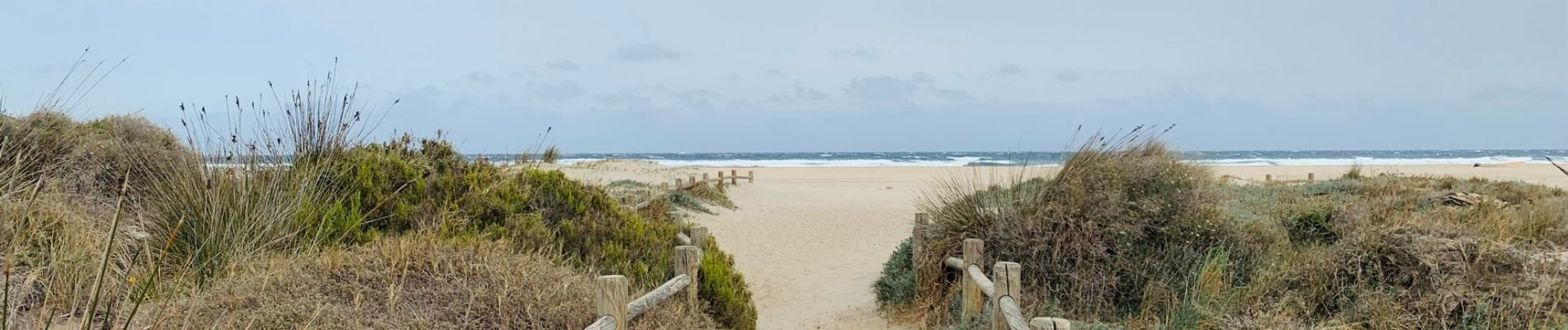
Not all the beaches in the park are child-friendly: many are coves reached on foot via paths with no shade and no facilities. These are the ones best suited to families.
San José Beach
The village beach is the easiest option with young children: sand, calm waters, lifeguards in season, and bars, ice-cream parlours and shops just a short walk away. Perfect for the early morning or for afternoons following an outing.
Genoveses Beach
A large sandy bay with shallow water at the shore, dunes and a pine forest behind it that provides some shade. It’s one of the safest places for children to swim, but there are no facilities: you’ll need to bring your own water, food and parasol. In summer, access by car is limited by the car park’s capacity, and a shuttle bus runs from San José. We’ll tell you all about it in detail in our guide to the Los Genoveses Beach.
Mónsul Beach
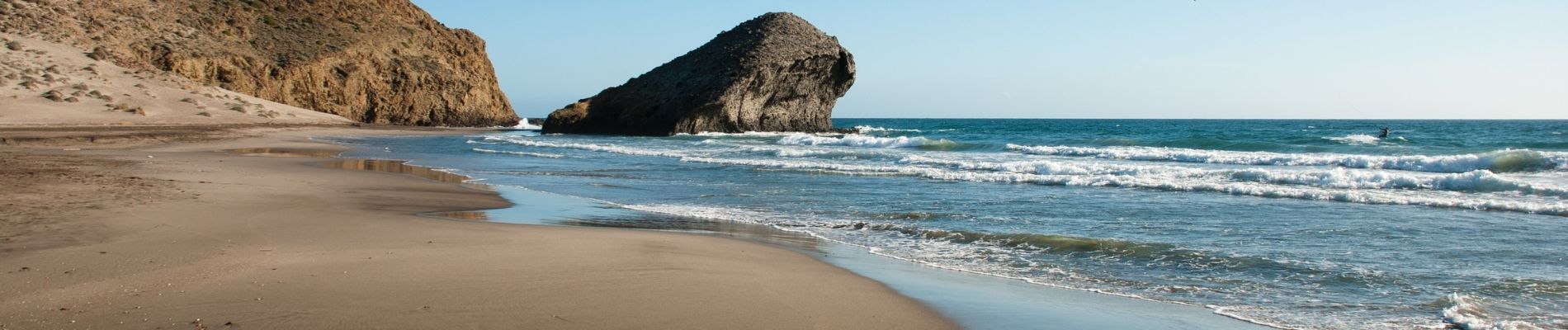
Famous for its large dune and wave-shaped rock, children love running up and down the sand. The seabed drops off a little more steeply than at Genoveses, so it’s a good idea to keep an eye on the little ones. The same access arrangements apply as at Genoveses in summer.
Agua Amarga and Las Negras
Agua Amarga has a wide, sheltered town beach with facilities, making it ideal if you’re staying in the northern part of the park. Boats depart from Las Negras for Cala de San Pedro – a fun way to reach a cove that would otherwise require a long walk.
Activities at sea: boat trips, sailing, kayaking and snorkelling
Seeing Cabo de Gata from the water is probably the best thing to do as a family: the volcanic cliffs, the coves that can’t be reached by land, and the stops for a swim in crystal-clear waters make for unforgettable memories for people of all ages.
- Boat tour of the coves: Tours lasting a couple of hours, with stops for the toilet. This is the most comfortable option for young children and grandparents.
- Sailing along the Pirates’ Route: For centuries, this coastline was a haven for Barbary pirates, and the story captivates the children as they sail past unspoilt coves.
- Sunset on a sailing boat: A relaxed way to round off the day – best suited to children who are already used to evening routines.
- Kayaking and snorkelling: for older children who can swim. The rocky coves, such as those at Isleta del Moro or Los Escullos, are perfect for snorkelling. You’ll find the best spots in our guide to where to go snorkelling in Cabo de Gata.
Excursions and activities in the area
If you want to see all the options, here they are: activities in Cabo de Gata.
Nature and animals
Flamingos at the Cabo de Gata salt flats
Between the village of Cabo de Gata and the lighthouse lie Las Salinas, one of Andalusia’s most important wetlands for birds. From the viewing points by the road, you can spot flamingos and other waterbirds without even having to walk. Take a pair of binoculars with you: it’s a free, short outing that children find really exciting.
Cabo de Gata Lighthouse and the Sirenas Reef
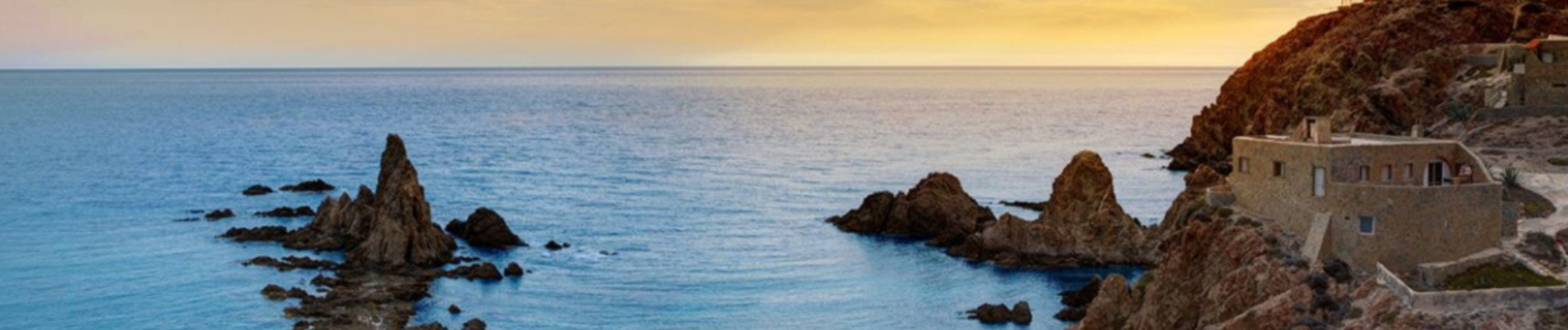
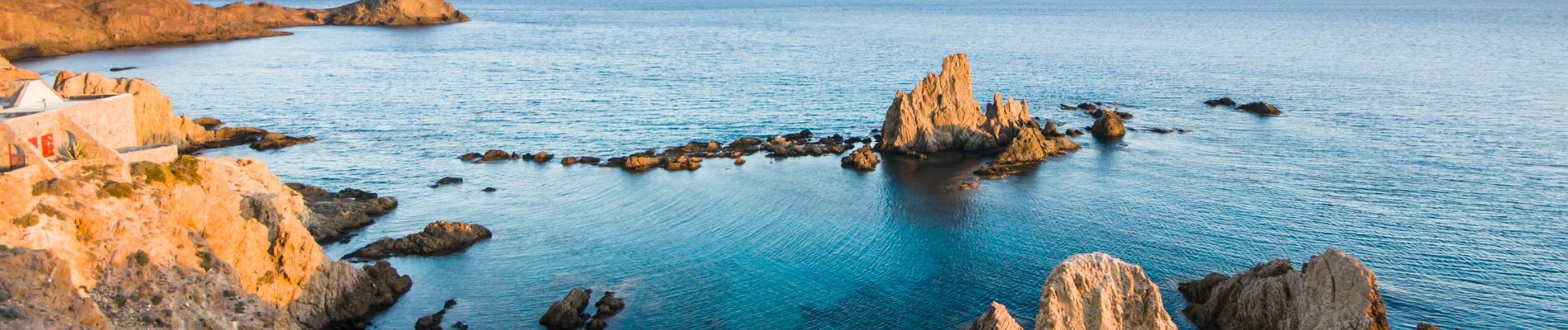
At the end of the Las Salinas road stands the lighthouse and, next to it, the Arrecife de las Sirenas viewpoint, where volcanic spires rise out of the sea. Legend has it that sailors mistook the monk seals that lived here for mermaids. Further information at How to get to the Sirens’ Reef.

Las Amoladeras Visitor Centre
On the road from Almería to Cabo de Gata, this is a good first stop to get a feel for the park: the volcanic landscape, the flora and fauna, and the traditional way of life in the area. A useful place to visit on a windy or very hot day.
4x4 tour of the park
For families with children aged around 6 or 7 and above, a guided off-road tour takes you to viewpoints and tracks that cannot be reached by private car, with explanations about the geology and mining history.
Villages, mines and castles
Rodalquilar, the village of gold
Rodalquilar thrived for decades on its gold mines. Today, you can see the ruins of the mining complex, visit the Casa de los Volcanes – an interpretation centre about the park’s volcanic origins – and stroll through the El Albardinal Botanical Garden, which features native species and a traditional vegetable garden. It’s the perfect morning outing for days when you don’t fancy the beach.
San Felipe Castle in Los Escullos
An 18th-century coastal fortress built to defend the coast against pirates, next to Los Escullos beach. Children love it, and the beach next door means you can combine a visit with a swim.
La Isleta del Moro and Níjar
La Isleta del Moro is a small fishing village with coves ideal for snorkelling and some great places to eat fish. Further inland, the old town of Níjar is renowned for its pottery and its ‘jarapas’ – a lovely way to spend an afternoon picking up a souvenir.
Where to stay and how to get around
When travelling with children, the most practical option is San José: It has supermarkets, a chemist’s, restaurants and a town beach, and is just a few minutes’ walk from Genoveses and Mónsul. Agua Amarga y Las Negras These are good alternatives if you’re looking for somewhere a bit quieter in the northern part of the park. A car is essential for getting between the villages; in summer, if you’re heading to the beaches at Mónsul and Genoveses, the shuttle bus from San José helps you avoid queues and parking problems.
Tips for visiting Cabo de Gata with children
- There is hardly any natural shade: bring a parasol, hats and sun cream, even in spring.
- Unspoilt beaches have no beach bars or drinking fountains: bring enough food and water to last the whole day.
- Water shoes for rocky coves: they protect against stones and sea urchins.
- Book your boat trips in advance during July and August, and choose a morning slot, when the sea is usually calmer.
- With an easterly wind, the water is choppy along the east coast: it’s a good day for Rodalquilar, Las Salinas or Níjar.
- This is a nature reserve: please do not leave any rubbish behind, do not collect stones or plants, and please respect the dune areas.
More things to do in Cabo de Gata
 Natural pools of Cabo de Gata
- What does Consul mean?
- Where to go snorkelling in Cabo de Gata
- Half Moon Cove


Frequently asked questions
Which beach in Cabo de Gata is best for children?
For young children, San José beach is ideal thanks to its facilities and calm waters. If you’re looking for an unspoilt beach, Los Genoveses has shallow waters near the shore and plenty of space, although it has no facilities.
Where to stay in Cabo de Gata with children?
San José is the best base: it has supermarkets, a chemist’s, restaurants and a city beach, and is very close to Mónsul and Genoveses. Agua Amarga and Las Negras are quieter alternatives.
Is it possible to drive to Mónsul and Genoveses in the summer?
During the high season, access by car is limited to the capacity of the car parks. The most convenient option is the shuttle bus that leaves from San José.
Where can you see flamingos in Cabo de Gata?
In the Cabo de Gata salt flats, between the village of Cabo de Gata and the lighthouse. There are viewing points alongside the road from which you can see them without having to walk.
What can you do in Cabo de Gata with children if it’s windy?
Visit Rodalquilar (the Casa de los Volcanes and El Albardinal Botanical Garden), the Las Amoladeras Visitor Centre, San Felipe Castle in Los Escullos or the village of Níjar.
